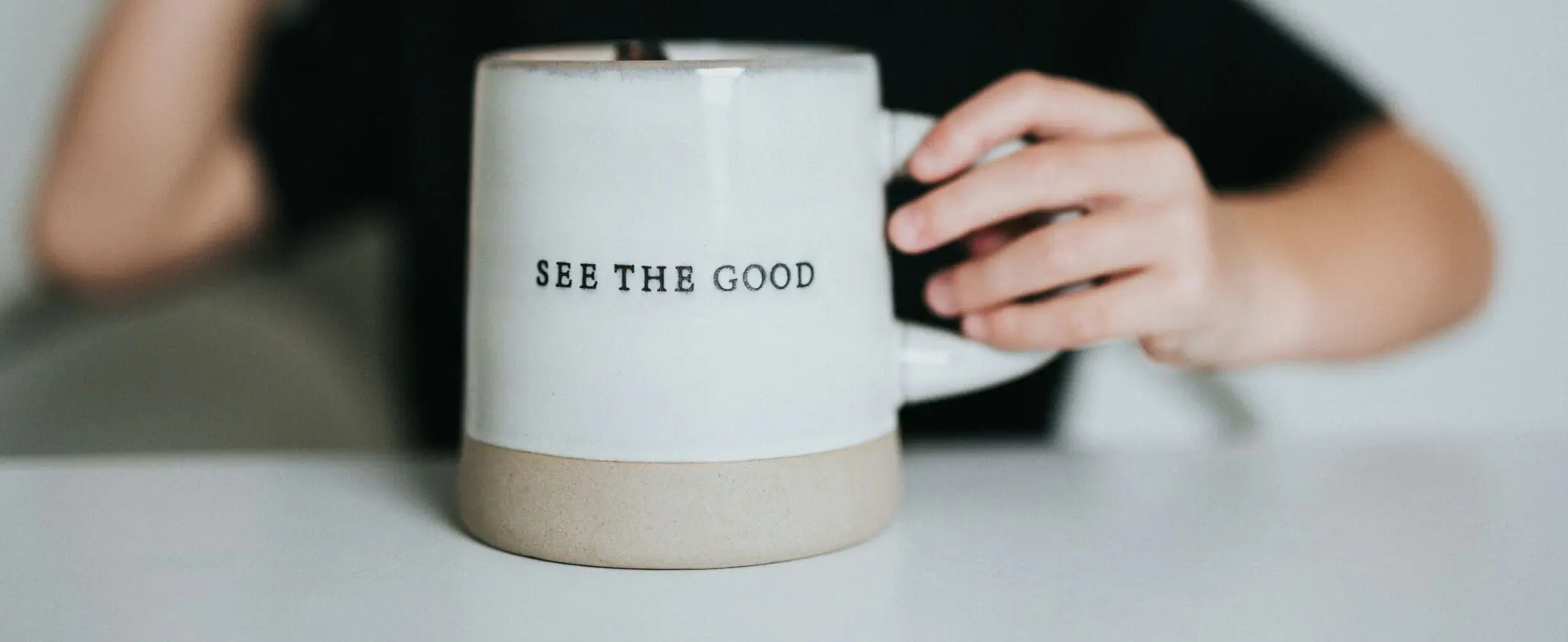
I keep a list on my phone. It’s not a to-do list. It’s not a contact list. I call it my Good List — a running collection of people who remind me that the world is, in fact, full of good.
It started without much fanfare. I noticed someone doing something kind, quietly, without recognition. And I thought: I don’t want to forget this person. So I wrote it down. Then it happened again. And again. Now the list has grown into something I didn’t expect — a small but powerful habit that has fundamentally shifted how I move through my days.
The first is the man who works at our local trash station. The machine that smashes everything down has been broken for a while, and instead of throwing up his hands or pointing to a “temporarily out of service” sign, he stepped in. Quietly. Without complaint. He helped every single person who pulled up. Every car. Every bag. Day after day.
This week, the smasher finally got fixed. When I pulled up, he was beaming. “It’s fixed!” he told me, like it was the best news of the month. And honestly? Maybe it was.
Here’s what stayed with me: I never knew he minded. He never let on that the extra work was hard. He just kept showing up and doing the job. But underneath that quiet service, there was a man who was genuinely, deeply glad when his burden lifted. He wasn’t complaining about the inconvenience. He was celebrating the relief.
The second person I added is my cousin’s son — a pharmacy delivery driver who arrives at every door like a ray of actual sunshine. When I asked him what he does with his tips, he told me he saves them for two things: to help cover medication for someone who can’t pay, and to buy himself a milkshake.
Look, we all need priorities in life. And a milkshake? That is absolutely one of them. I respect it completely.
Neither of these men has a platform or a title. They’re not influencers. They’re not building a brand. But both of them are changing the world around them, one interaction at a time. And if I weren’t paying attention, I would have missed them entirely.
That’s the thing about goodness — it’s usually quiet. It doesn’t announce itself. It just shows up, does the work, and moves on. Which means if we’re not intentional about noticing it, we’ll miss it. And if we miss it often enough, we start to believe it isn’t there.
The Good List is my antidote to that.
It’s not a gratitude journal, exactly. It’s not about what I’m thankful for — though I am. It’s specifically about people. People whose character, kindness, or quiet integrity made an impression on me. People I want to remember, even if I never see them again. People who remind me that goodness isn’t rare. It’s just easy to overlook.
As a habit coach, I spend a lot of time helping people build practices that shape how they think and feel over time. Most of those practices are internal — morning routines, reflection prompts, mindset shifts. But the Good List is outward-facing. It trains my attention to look for evidence of good in others. And like any habit, the more I practice it, the easier it becomes.
I’m also a college professor, and I’ve come to realize that part of my job is doing the same thing in the classroom. Looking for the good in my students — not just the obvious achievers, but the quiet ones, the ones still figuring it out, the ones who don’t yet see their own potential. And then helping them see it in themselves. That’s harder than grading papers or delivering lectures. It requires the same kind of practiced attention. The same willingness to notice what’s easy to miss.
Now I notice things I would have missed before. The teacher who stays late. The neighbor who waves. The stranger who holds the door just a beat longer than necessary. The student who asks a question that reveals they’ve been thinking deeply, even when they seemed checked out. These aren’t grand gestures. But they add up. And keeping a list means I don’t just notice them — I remember them.
Here’s what I’ve learned: the world starts to look different when you’re actively looking for good. Not because the world changes, but because your filter does. You stop scanning for threats and start scanning for evidence that people are trying. And when you find it — over and over — something shifts inside you.
You become a little more patient. A little more generous in your assumptions. A little more willing to extend the same grace to others that you’d want extended to you.
That’s not naive optimism. It’s practiced attention.
So what does this have to do with the habit you’re trying to build?
Maybe everything. The habits that stick aren’t just about discipline — they’re about identity. Who you’re becoming. And who you’re becoming is shaped, in part, by what you pay attention to. If you spend your days noticing what’s broken, frustrating, or failing, that’s the lens you’ll bring to your own progress. But if you train yourself to notice good — in others and in yourself — you start to approach your habits with a little more grace. A little more belief that change is possible, because you’re surrounded by evidence that people show up and do hard things all the time.
The Good List won’t get you to the gym. But it might change the way you talk to yourself when you miss a day.
How to start:
Open the notes app on your phone. Create a new note. Title it whatever feels right. And the next time someone — a stranger, a colleague, a family member, a student — does something that makes you think that’s a good human, write it down. One sentence is enough. A name and a reason.
You don’t need a daily cadence. Just add to it when something strikes you. Once a week, scroll back through it. Let it remind you what you’ve seen.
You’re not keeping score. You’re not building a case for humanity. You’re just paying attention on purpose, and giving yourself a place to hold what you find.
Goodness is already all around us. We just have to slow down enough to notice it.
Donita Brown is a certified habit coach and resilience coach, a business professor at Lipscomb University, and the founder of The Management Minute. She helps busy professionals build the habits and mindsets that make work — and life — more sustainable. You can work with her on Coach.me or connect at management-minute.com.